

How to support with comprehension
Comprehension is a fundamental aspect of reading that goes beyond the ability to quickly decode and pronounce words. It involves understanding and interpreting the meaning behind the text, enabling readers to engage with the material on a deeper level. Comprehension is crucial because it allows individuals to make connections between what they are reading and their existing knowledge, fostering critical thinking and the ability to draw inferences. Without comprehension, reading becomes a mechanical process devoid of meaning, hindering the ability to learn, enjoy, and appreciate literature or any written material. Effective comprehension also enhances vocabulary, improves communication skills, and empowers readers to apply what they have learned in real-world situations. Therefore, developing strong comprehension skills is essential for academic success and lifelong learning, as it transforms reading from a passive activity into an active, enriching experience. Many parents boast of their child’s ability to read ‘quickly’, or memorise a story or blend complicated sounds together and of course this should be celebrated but taking time to pull apart the plot supports all areas of literacy development including future creative writing tasks.
Tips for success:
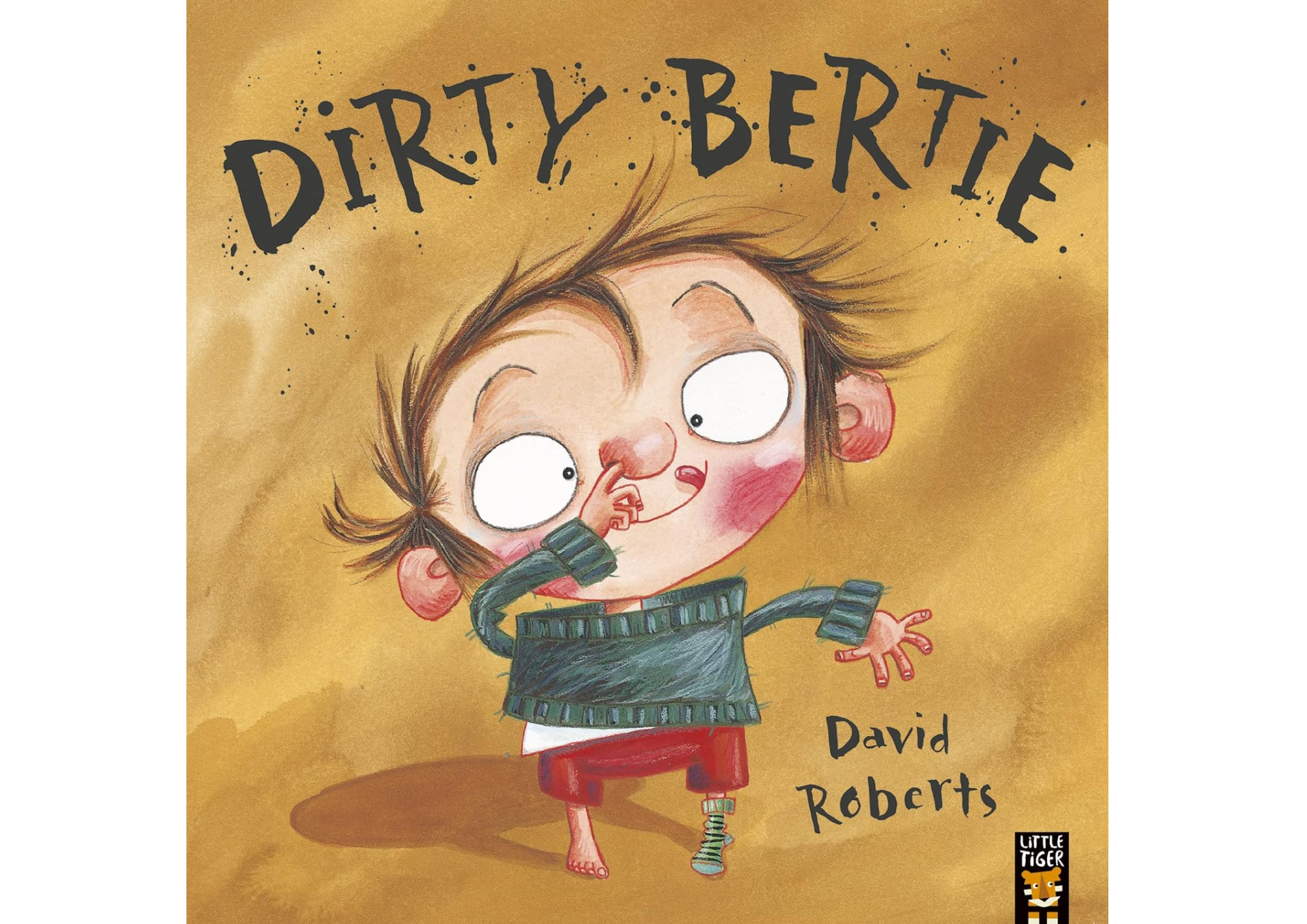
1. Illustrations
When reading, adults are guilty of often jumping straight into the text. Illustrations are vital in aiding inferencing skills by providing visual context that enhances comprehension. They help children connect text and images, understand emotions, settings, and plot, and predict outcomes. Each time you turn a page, count to 20 in your head whilst your child takes in all that they see.
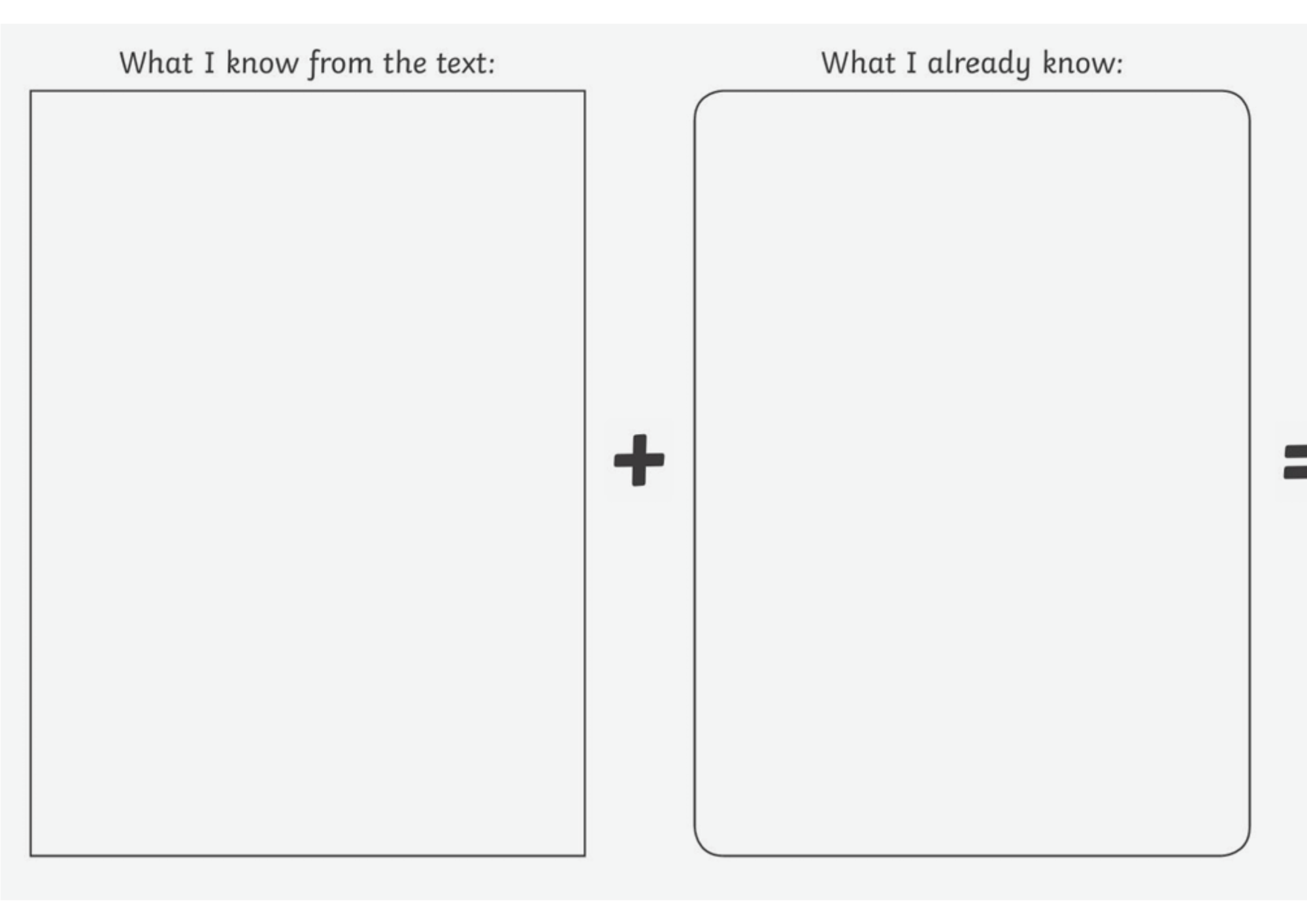
2. Inference
It is important to understand what you’re reading but it’s also important to draw on your knowledge of the world around you to infer meaning. When reading, ask 3 key questions: What does the story tell me? What do I already know? What can I infer/guess? If a sentence says ‘They ate the chocolate one from a cone.’ You can infer it’s ice cream.
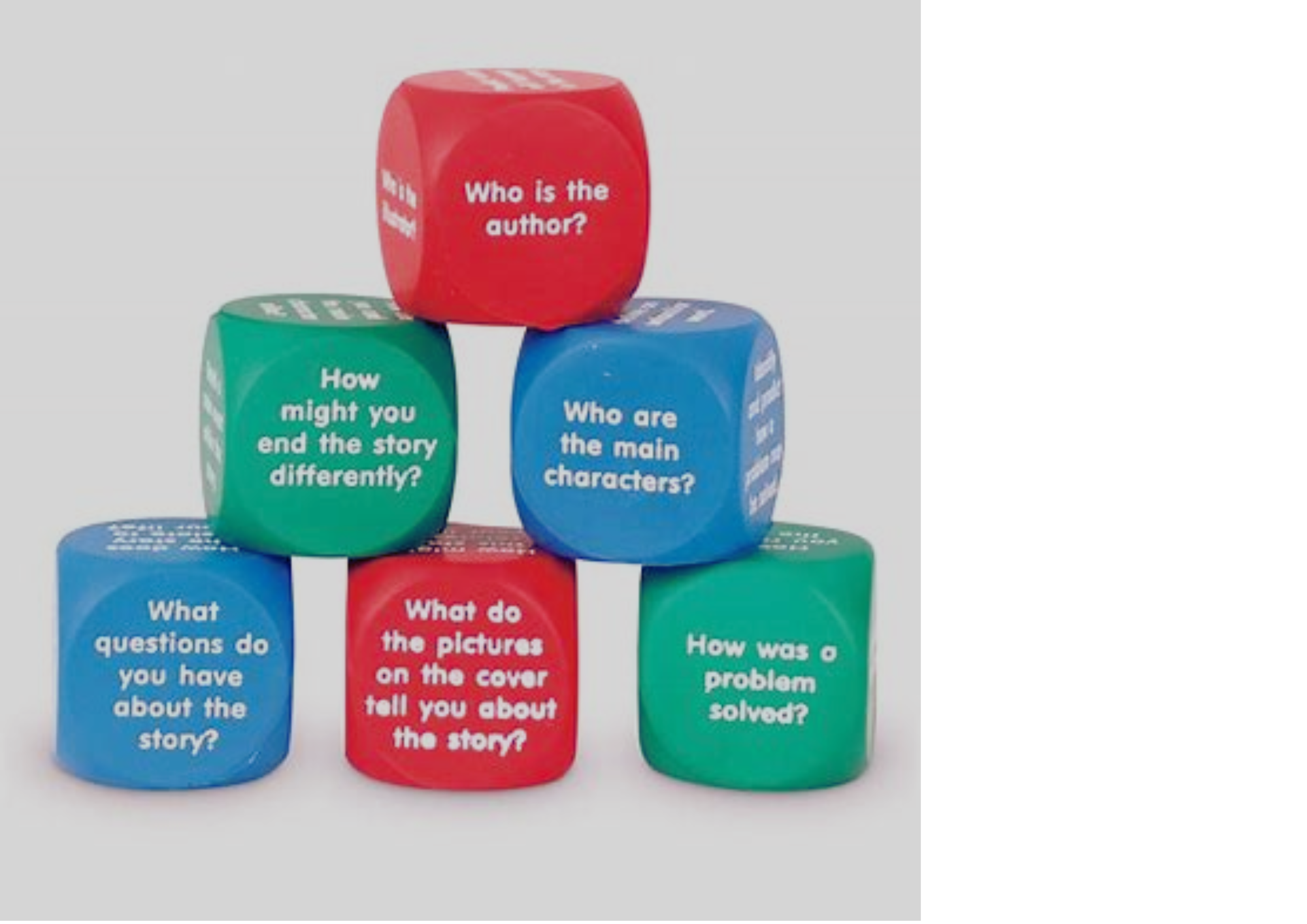
3. Comprehension Dice
As with most things, getting a child interested is half the battle. Ask a child how a character is feeling and you might get a weary ‘I don’t know!’ - ask them to roll a comprehension dice and BOOM you have an answer. These ones, pictured, are great as they are colour coded for before, during and after you’ve read as often your opinion can change as the plot unravels. Or, introduce whiteboards and pens to record your ideas!