

How to combine reading and writting
Encouraging the correlation between reading and writing is essential because these two skills are deeply interconnected and mutually reinforcing. Reading exposes individuals to a wide array of vocabulary, sentence structures, and writing styles, which can significantly enhance their writing abilities. By engaging with diverse texts, readers develop a better understanding of language nuances, which they can then apply to express their own thoughts more clearly and creatively. Moreover, writing about what one reads can improve comprehension and retention, as it requires critical thinking and synthesis of information. This reciprocal relationship not only fosters better communication skills but also stimulates cognitive development, enhancing overall literacy and empowering individuals to articulate their ideas effectively in both academic and real-world contexts. The time of day should also be considered however, children are tired after a long day at school and will have less desire for this however on a Sunday morning in their cosy reading den you will have much more success.
Tips for success:
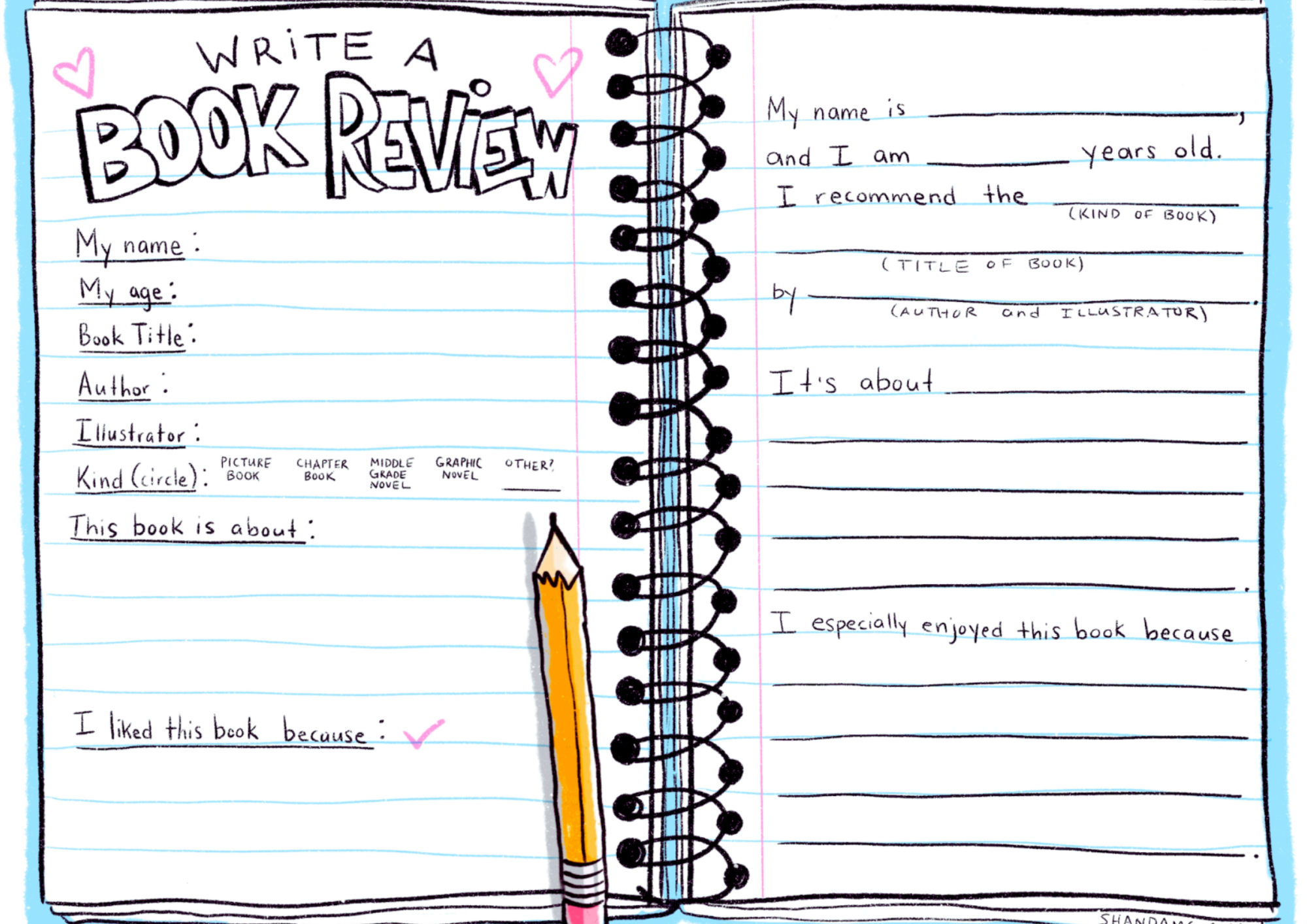
Book Reviews
One really motivational way to combine reading and writing is through book reviews. There are some good free templates online and on finishing a story ask your child to complete a review of it for a sibling or friend. Display these in a book which is kept on their bookshelf, so that they feel a purpose, and refer to it as often as you can when selecting a bedtime story. Noone is exempt, adults should also complete one should they wish!

2. Research Project
Within every book, no matter the genre or topic, there is always something to learn about or research. Gruffalo? What lives in a forest? Goldilocks? How to make porridge. Superworm? Would lizards and crows really be friends? Encourage your child to ask a big question as you discuss the book and start a project or presentation.
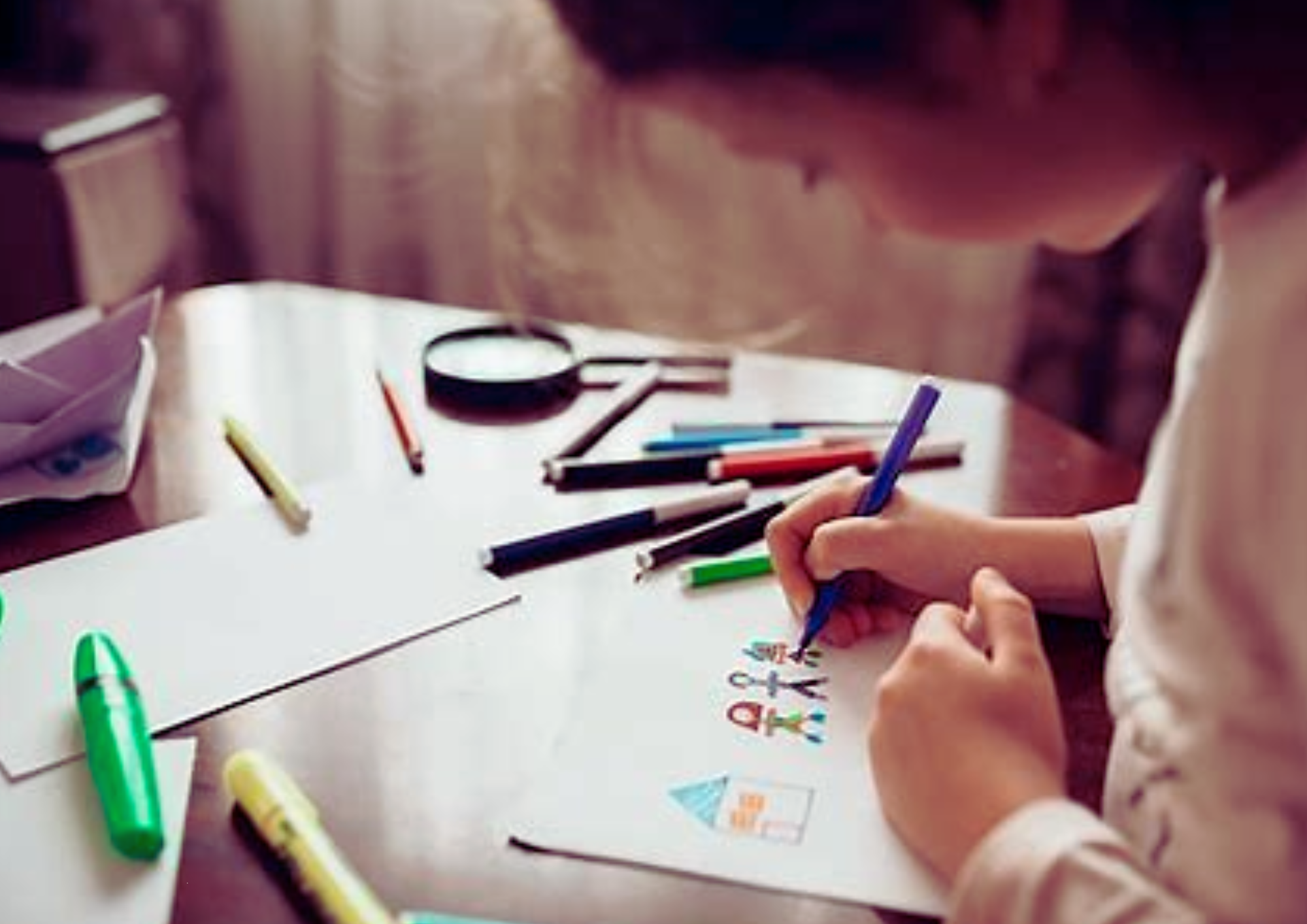
3. Design a Book Cover
One of my favourite questions to ask a child before reading a story is: ‘Based on the front cover what would you call the story?’ On one side of the paper create an alternative front cover before you read the story. Then, read the story, and on the back of the paper do the same task again given all you now know and see if they’ve changed... even if it’s just the characters facial expressions.