

How to support blending
Research shows that blending and letter-sound knowledge are the two essential skills for decoding written words, allowing children to read hundreds of words after learning just a few sound-letter correspondences. In fact, studies have found that early improvements in phonics skills, including blending, are predictive of later reading comprehension outcomes. Blending is a foundational skill in early reading where children learn to smoothly join individual sounds (phonemes) together to form words—for example, combining /c/, /a/, and /t/ to say “cat.” It’s a key part of phonics instruction and helps children decode unfamiliar words with confidence. When children master blending, they begin to read more fluently and independently, which boosts their comprehension and enjoyment of reading. Strong blending skills lay the groundwork for lifelong literacy, enabling children to tackle more complex texts as they grow and become capable, curious readers. That said, blending doesn’t always come easily—some children may struggle to hold sounds in memory or to hear how they connect, which is why a few simple strategies at home can make a big difference.
Tips for success:
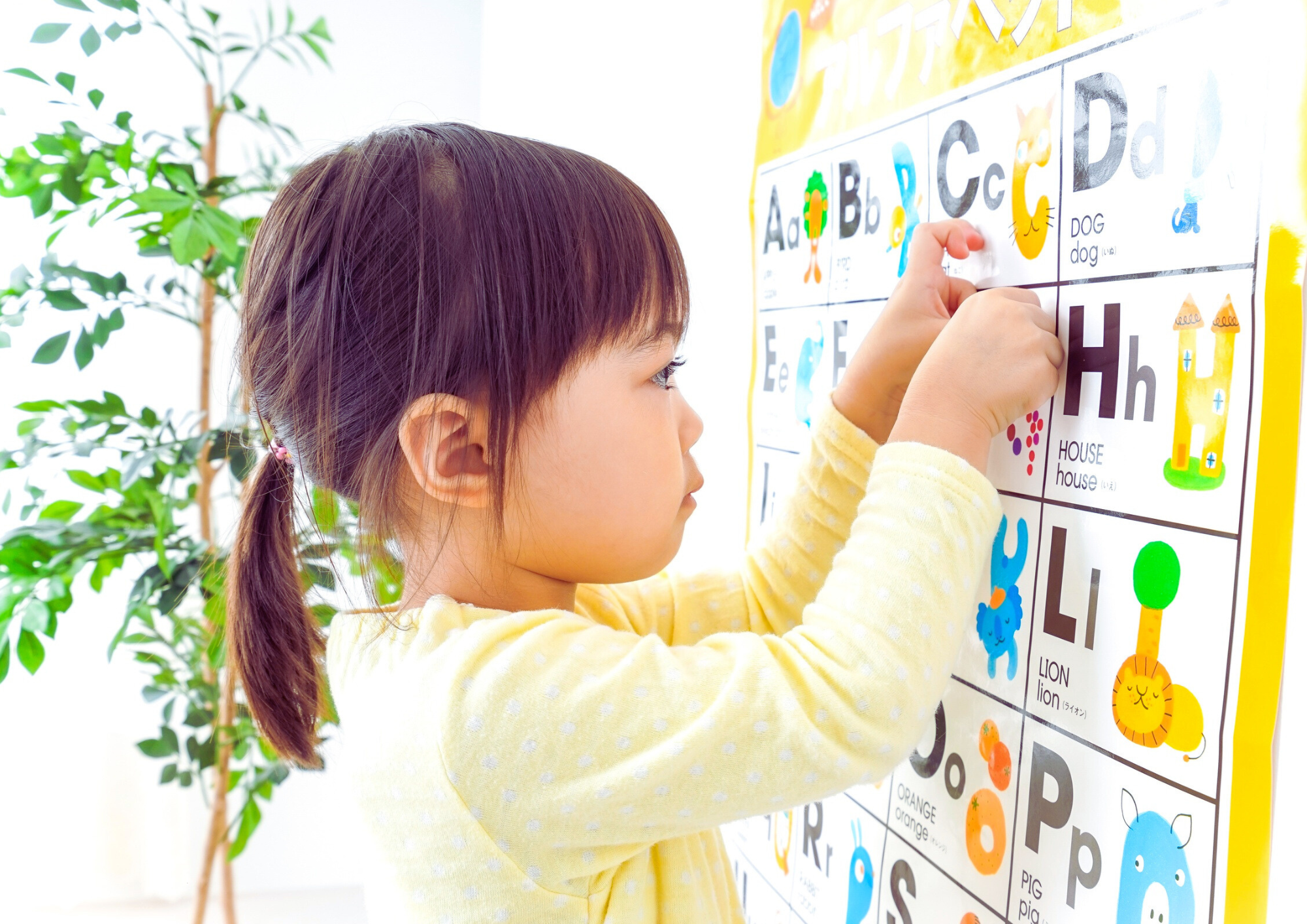
1. Auditory
Say each sound in a word slowly and clearly like a robot “/b/… /a/… /t/” then invite your child to “press the blend button” (you can mime pressing their nose or a pretend remote) to say the whole word smoothly: “bat!” This auditory approach helps children hear the distinct sounds and then practice joining them. It builds confidence and reinforces the idea that blending is fun, not frustrating. Similarly, say a word, pretend to eat it and then mime pulling it out your mouth like chewing gum to stretch out the sounds. This works particularly well for those children needing support with the final sound.
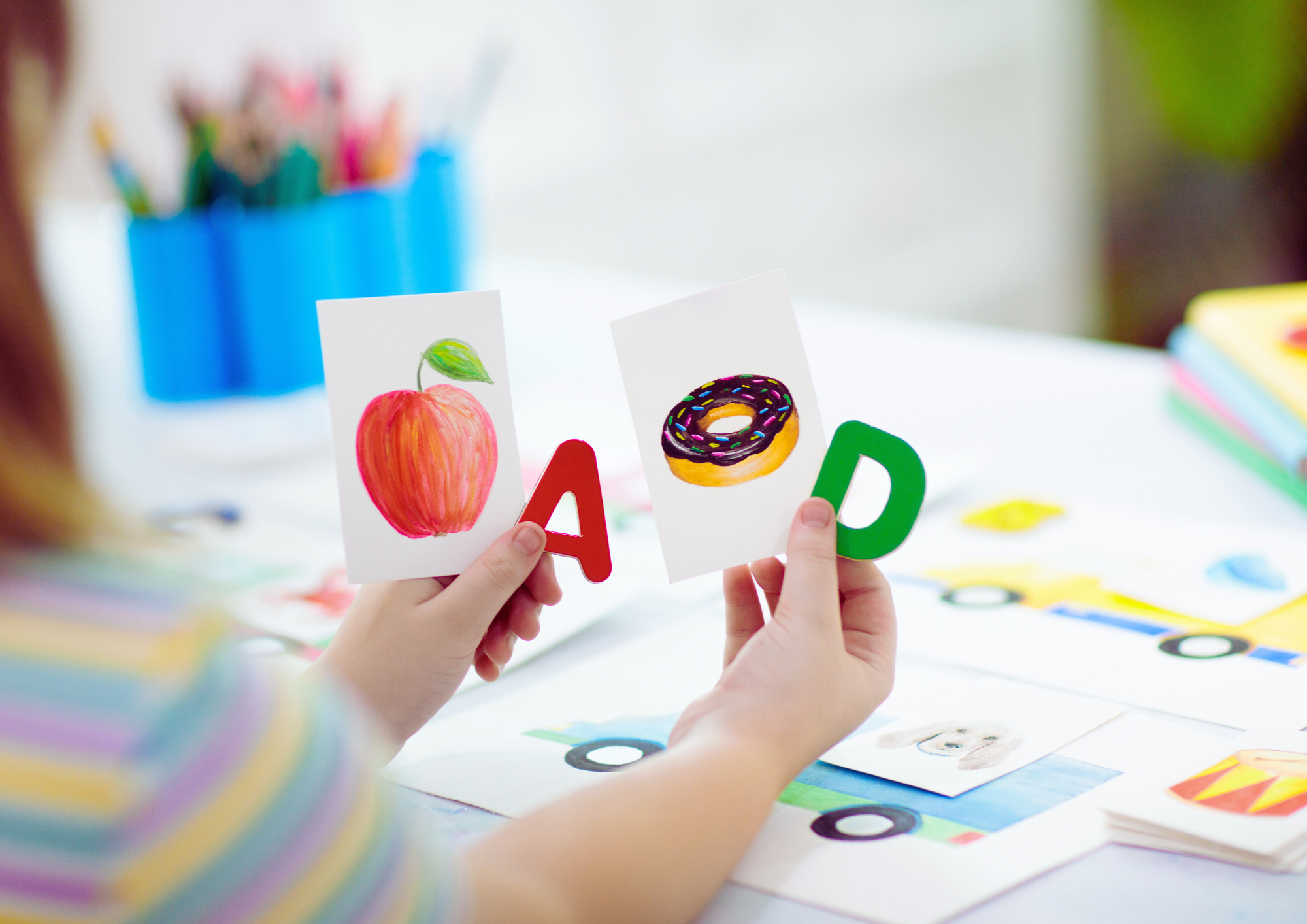
2. Visuals
Always ensure that your child has a familiar visual in front of them as they build their confidence in applying the sounds they know. Ideally this would be a sound mat displaying the sounds as they see them in school. Their busy brains are navigating so much in that moment of ‘reading’ that any support to get to the answer should be given - the more confident the child becomes, the less they will need the scaffolding.

3. Kinaesthetic
Lay out three cushions in a row, each representing a sound in a word. Your child jumps from one to the next saying “/d/” (jump), “/o/” (jump), “/g/” (jump), then lands with both feet and shouts “dog!” This kinaesthetic strategy taps into movement to reinforce phoneme sequencing and blending. You can vary the game with different words, or turn it into a treasure hunt where each blended word leads to a clue. It’s ideal for energetic learners who thrive on physical play and multisensory input.