

How to support focus & attention
The ability to focus and attend is essential for a child's cognitive, social, and emotional development. It directly impacts their learning, problem-solving skills and ability to engage with peers and adults alike. Developmental expectations for attention span vary with age: toddlers may concentrate on an activity for just 2–3 minutes, while pre-schoolers can sustain attention for about 5–10 minutes on a single task. By school age (5–12 years), children are expected to maintain focus for 15–30 minutes, depending on interest and the complexity of the task. Many parents will celebrate the fact their child can spend an hour playing with a marble run, which indeed should be celebrated, but supporting your child to apply the same sustained attention to adult initiated tasks is also key. Supporting these skills through age-appropriate activities and environments is vital, as it helps lay the foundation for lifelong learning and adaptability. The ability to sustain attention is not only crucial for task completion but also underpins a child’s capacity to engage in reasoning tasks, where they must hold information in mind, compare ideas, and follow multi-step instructions. Without well-developed attention skills, children may struggle to organise their thinking, make logical connections, or persist through the cognitive demands of problem-solving.
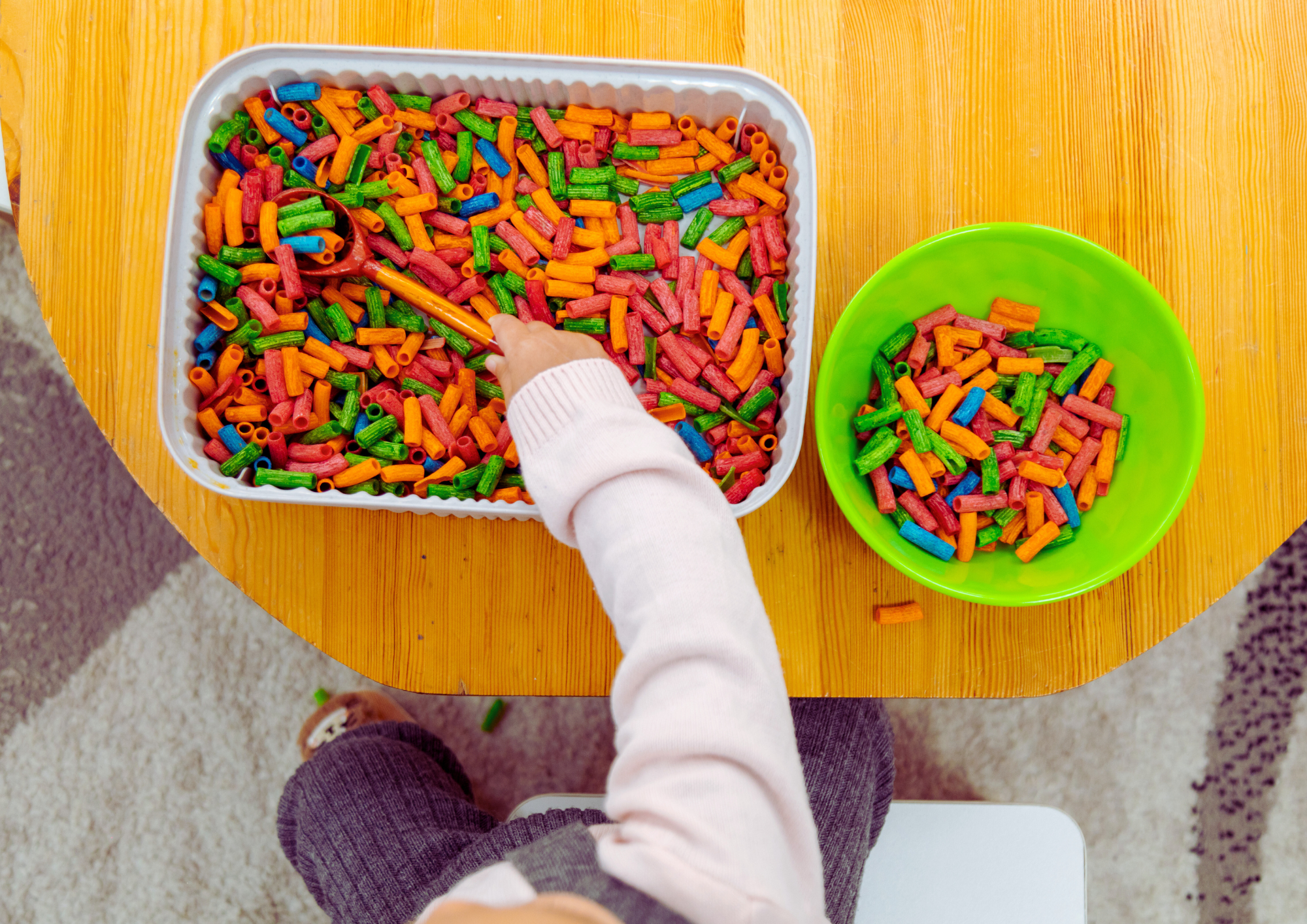
The Sorting Tray
Set up a tray with mixed items — buttons, blocks, animals, or natural objects like leaves and stones. Ask your child to sort them by colour, shape, size, or type, depending on their developmental stage. Add a twist by timing the activity or giving a “sorting mission” (“Can you find all the red things before the sand timer runs out?”). This builds sustained attention through visual scanning and decision-making, and it’s easy to adapt for increasing complexity. It also mirrors the kind of focus needed in classroom tasks like grouping, matching, and reasoning.

2. Copycat
Draw a simple picture — a house, a rainbow, or a monster — and cover it after 10 seconds. Ask your child to recreate it from memory. You can start with just two or three elements and gradually increase the detail. This activity strengthens visual attention, working memory, and perseverance. It also encourages children to slow down and observe carefully, which supports focus in tasks like handwriting, reading, and following instructions.
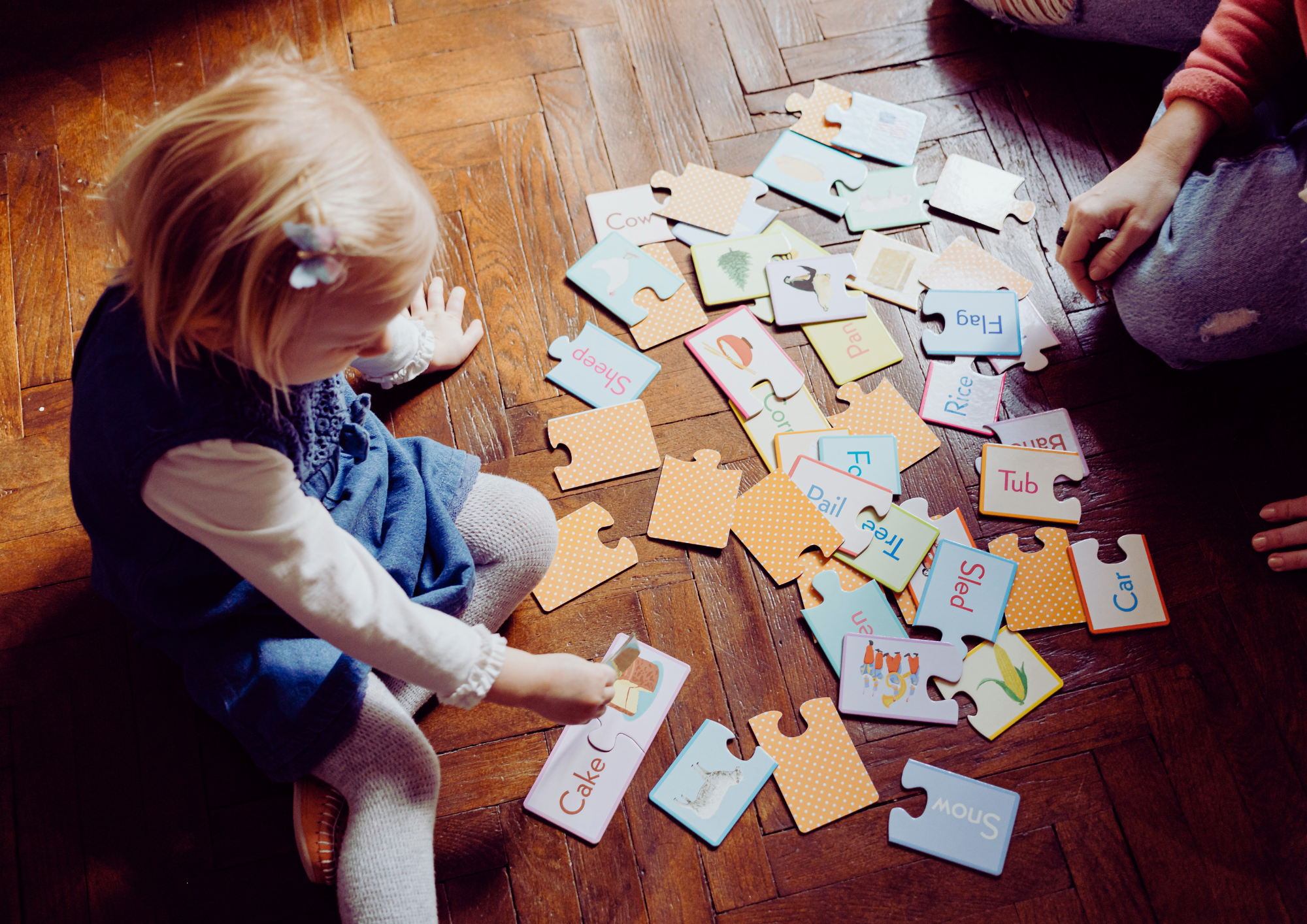
3. Memory Games
There are hundreds on the market but the key to this being purposeful is supporting your child in how to make strategic choices. I always say the winner will be the one who ‘sits still, and always looks!’ Start with maybe 12 cards (6 pairs) and then gradually extend by adding more cards as your child’s skill develops. Coach them through the game, teaching them logic as you go e.g. don’t choose a card that has just been turned over, it’s a waste of a turn and don’t choose 2 cards at the exact same time unless you’re confident it’s a pair! Create the habit of repeating the names of what you turn over and tapping them as you do so to help that muscle memory.